Korean Cinema’s Celluloid Fever: The 1970s
May 15–26, 2026
Series sponsored by

This May, FLC and Subway Cinema explore a transformative time period in Korean cinema and its influence on the films of today, including rare archival prints and new restorations of some of the most daring and emotionally charged filmmaking in Korean history.
Kim Ki-young
1970|
South Korea|
100 minutes|
Korean with English subtitles
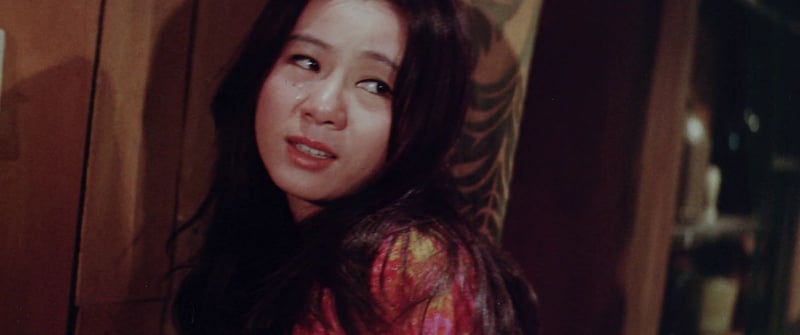
Part art film, part grindhouse nightmare, Kim Ki-young’s delirious riff on his own 1960 film The Housemaid is a cornerstone of 1970s Korean cinema, starring Youn Yuh-jung (2021 Oscar winner for Minari) in her screen debut.
Ha Gil-jong
1972|
South Korea|
90 minutes|
Korean with English subtitles
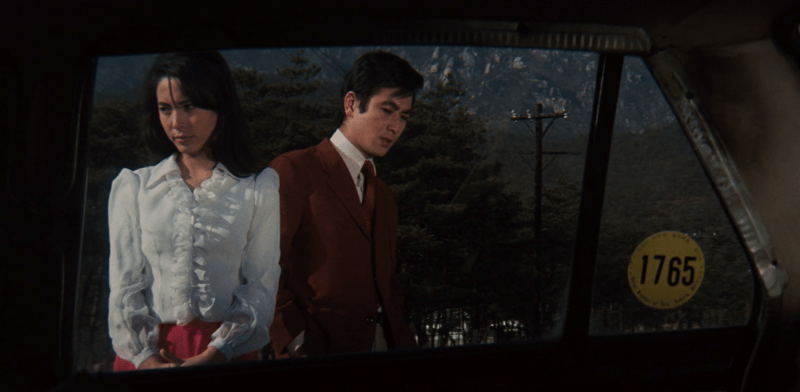
Long marginalized and now reclaimed as a landmark of Korean queer cinema, Ha Gil-jong’s debut feature traps a powerful businessman, his mistress, and his young male secretary in a slow-burn game of seduction, domination, and betrayal.
Park No-sik
1972|
South Korea|
85 minutes|
Korean with English subtitles
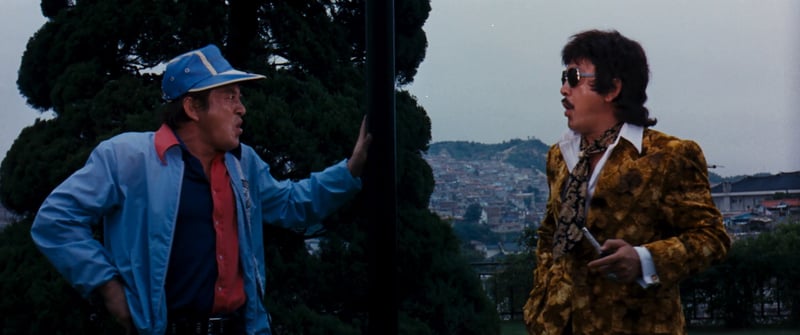
Over-the-top anti-Communist pulp is filtered through actor-director Park No-sik’s eccentric, anything-goes filmmaking as Park’s bumpkin-hero Yong-pal follows a young woman to Japan and both tumble into a Chongryon-linked gangster maze.
Lee Man-hee
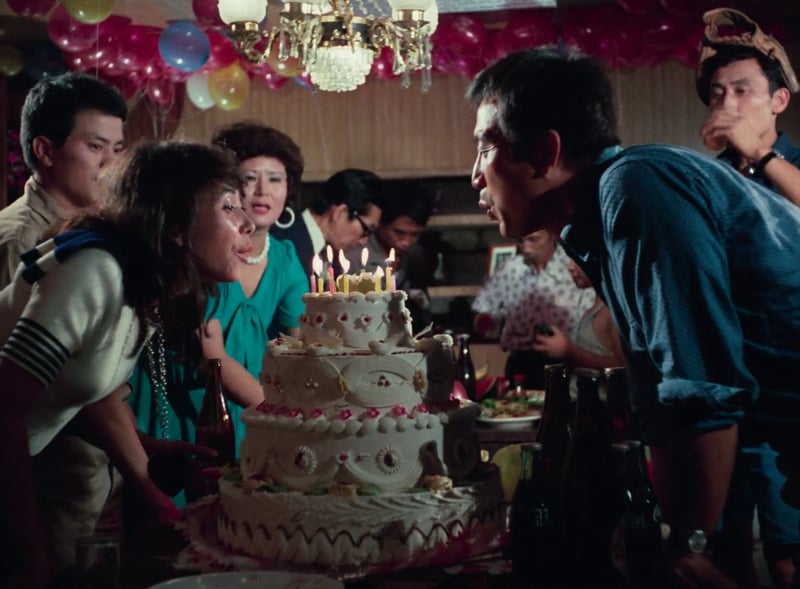
1974|
South Korea|
79 minutes|
Korean with English subtitles
A young woman on her way to the sea (Moon Sook in her debut) meets a man suspected of murder (Shin Seong-il) as Lee Man-hee’s luminous film blows past the rules of both romance and thriller.
Lee Jang-ho
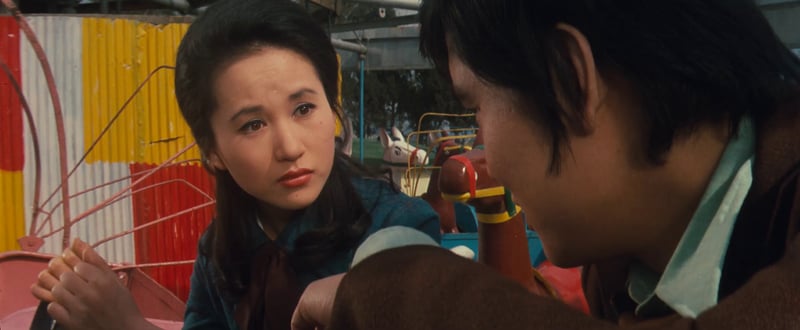
1974|
South Korea|
111 minutes|
Korean with English subtitles
Carried by one of the great Korean pop soundtracks, Lee Jang-ho’s debut, following an ordinary young woman whose serial betrayals by men push her toward the bar hostess life, broke Korean box office records and launched a generation.
Lee Doo-yong
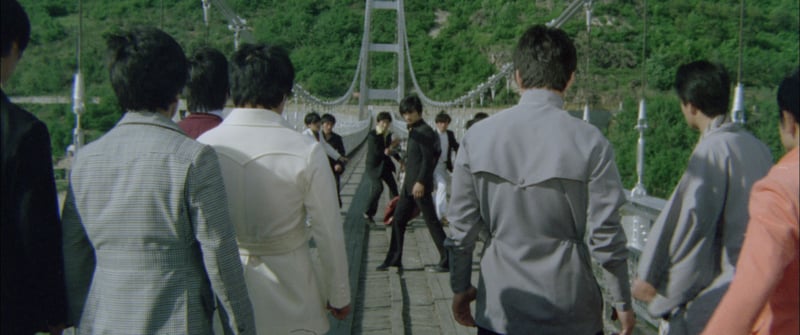
1974|
South Korea|
86 minutes|
Korean with English subtitles
A Korean street fighter famed for slapping villains in the face with his foot takes one last job that blows everything up in the high-water mark of the tae kwon do action films Lee Doo-yong and Korean American star Han Yong-cheol.
Lee Jang-ho
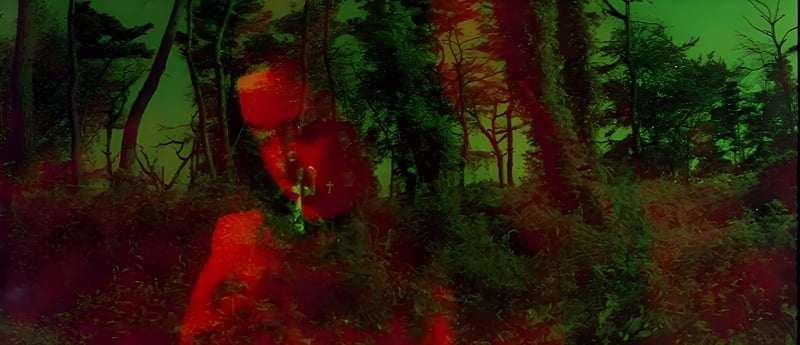
1975|
South Korea|
101 minutes|
Korean with English subtitles
A family is living the capitalist dream after winning the lottery—until the daughter is suddenly seized by violent fits. Drawing inspiration from The Exorcist, Lee Jang-ho fuses supernatural horror with melodrama in an audacious film that feels possessed in its own right.
Ha Gil-jong
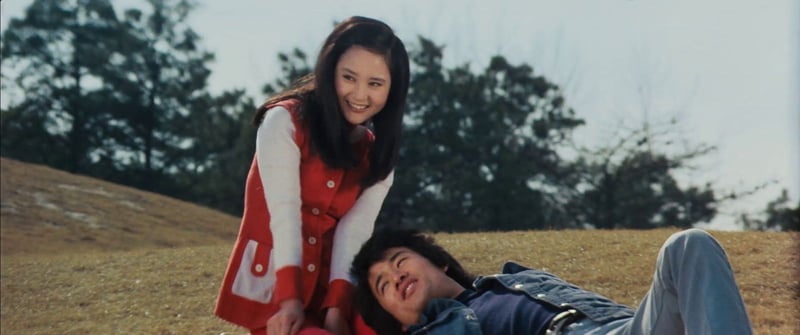
1975|
South Korea|
103 minutes|
Korean with English subtitles
Jagged, funny, and shot through with self-mockery, Ha Gil-jong’s portrait of two philosophy students drifting through campus life under the Yushin dictatorship became a generational touchstone.
Kim Ho-sun
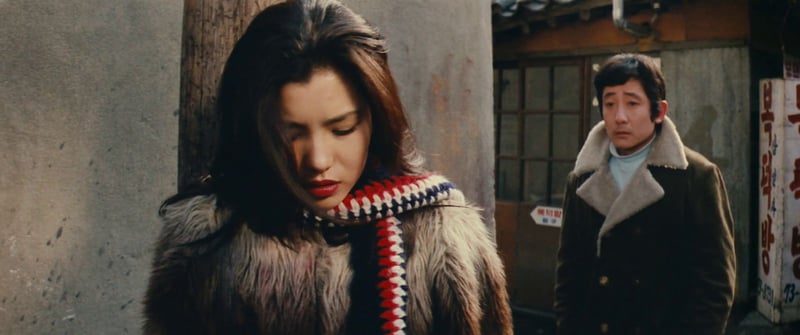
1975|
South Korea|
108 minutes|
Korean with English subtitles
Yeom Bok-soon’s indelibly funny and heartbreaking performance anchors one of the key “hostess melodramas” of the 1970s, Kim Ho-sun’s story of a young woman who arrives in Seoul from the countryside with nothing but ambition and ends up with less than that.
Jang Il-ho
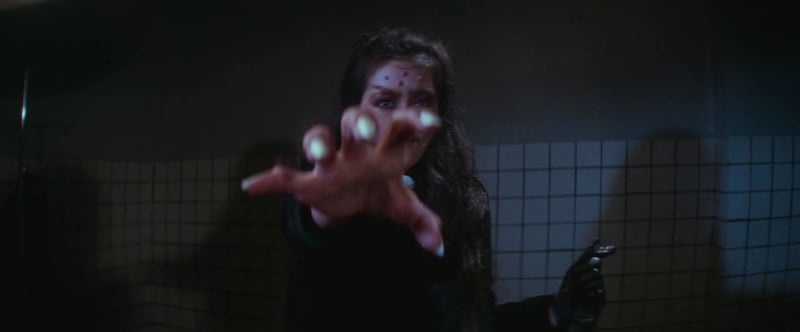
1975|
South Korea|
71 minutes|
Korean with English subtitles
Jang Il-ho brings a brisk, pulpy snap to this adaptation of a manga by Japanese horror master Kazuo Umezu, starring Yu Ji-in as a woman born with the face of a cat who demands her plastic-surgeon father fix what he’s done.
Im Kwon-taek
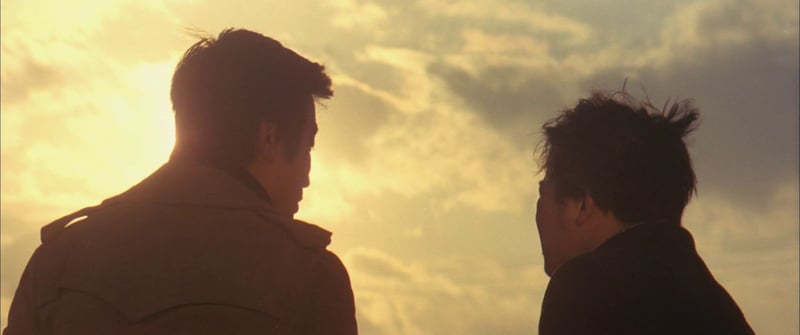
1976|
South Korea|
112 minutes|
Korean with English subtitles
Before Mandala and Sopyonje, this haunting story of a man who finds everything has changed in his Seoul neighborhood after 14 years abroad is where Im Kwon-taek the artist began to emerge.
Kim Ki-young
1977|
South Korea|
113 minutes|
Korean with English subtitles
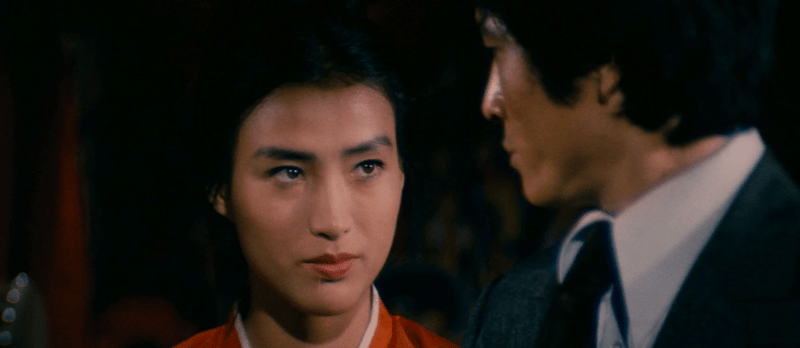
Kim Ki-young’s haunted-island mystery stands as one of his most audacious works: a deranged coastal noir about a zealous hotel developer drawn to an off‑the‑map island community ruled by women and guarded by shamanic ritual.
Kim Soo-yong
1977|
South Korea|
79 minutes|
Korean with English subtitles
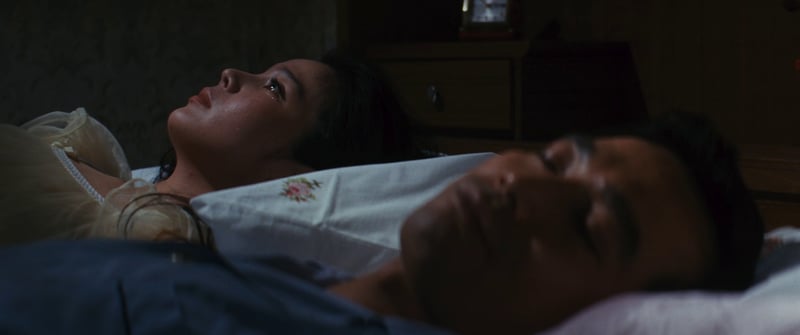
Rare in 1970s Korean cinema for treating its female protagonist as a full subject, Kim Soo-yong’s film about the psychological unraveling of a restless bank clerk pushed Korean cinema’s expressive range into new territory.
Kim Soo-yong
1977|
South Korea|
94 minutes|
Korean with English subtitles
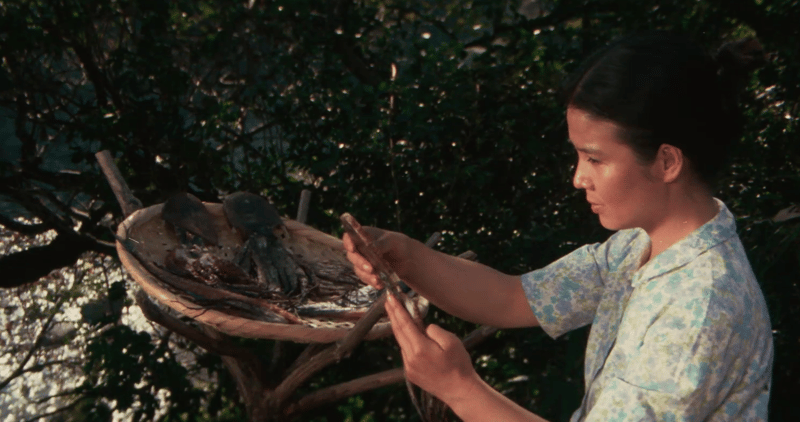
Yun Jeong‑hee (Lee Chang‑dong’s Poetry) gives an extraordinary performance as a successful executive who is abducted to a remote island, where a man insists she is his vanished wife, in Kim Soo-yong’s enigmatic social portrait.
Lim Jeong-gyu
1977|
South Korea|
77 minutes|
Korean with English subtitles
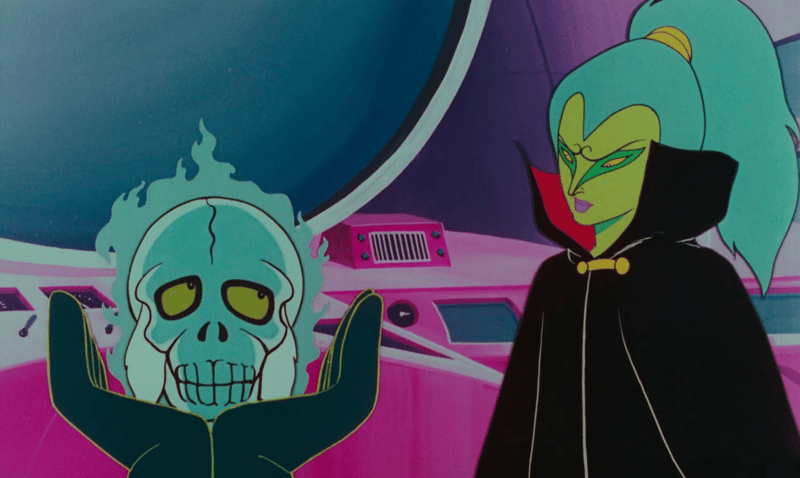
Lim Jeong-gyu’s proudly original debut—about two feral kids who grew up in a cave until a kindly tae kwon do master turns them into unstoppable kicking machines—set a Korean animation box-office record that held for more than a decade.
Kim Ki-young
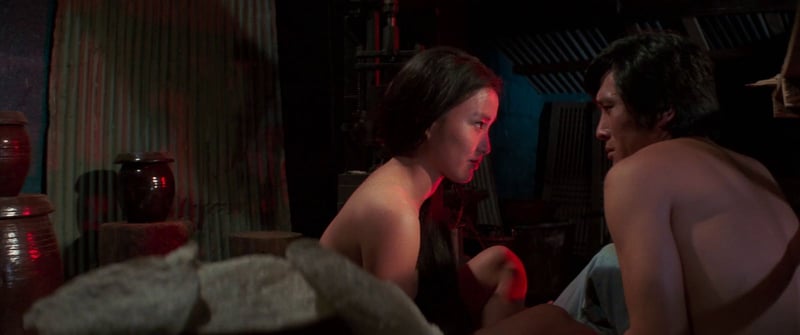
1978|
South Korea|
118 minutes|
Korean with English subtitles
Genre and tone mutate restlessly—noir drifts into horror, eroticism into absurdism, philosophy into pulp—in one of Kim Ki-young’s most unclassifiable films, frequently cited as a pinnacle of 1970s Korean cult cinema.
Im Kwon-taek
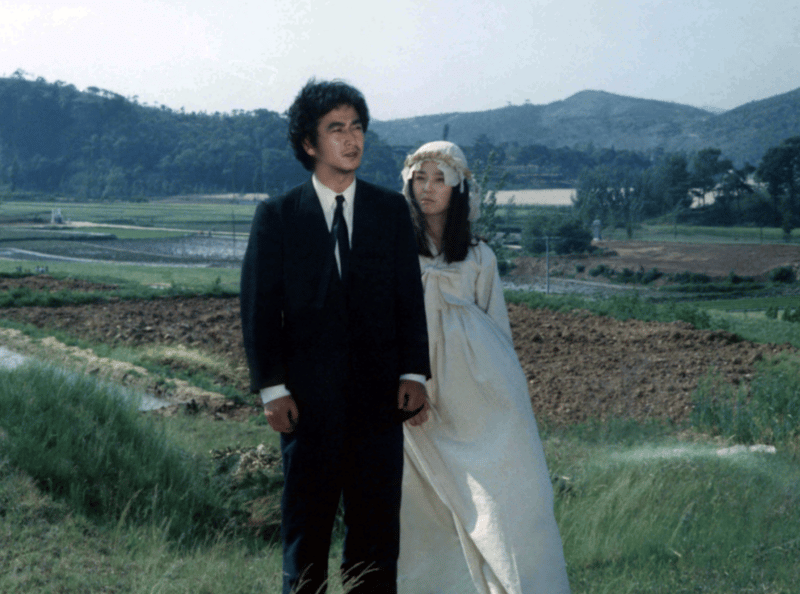
1978|
South Korea|
107 minutes|
Korean with English subtitles
A proud patriarch is faced with an impossible choice when he refuses to adopt a Japanese name during the colonial era in Im Kwon-taek’s meditation on conviction, heritage, and identity.
Lee Doo-yong
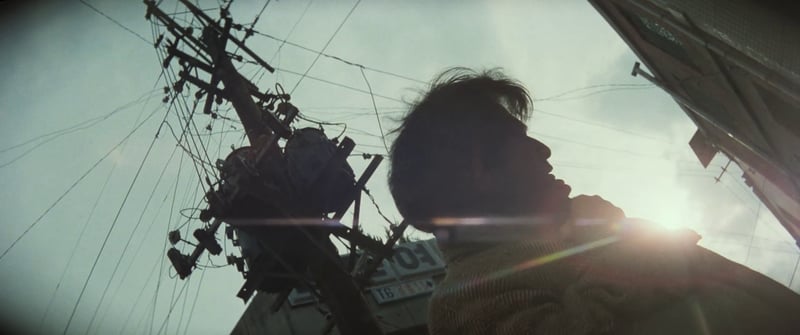
1980|
South Korea|
157 minutes|
Korean with English subtitles
Lee Doo-yong’s towering masterpiece turns a sprawling procedural about a detective tracking a killer into a full-scale excavation of Korea’s buried history.
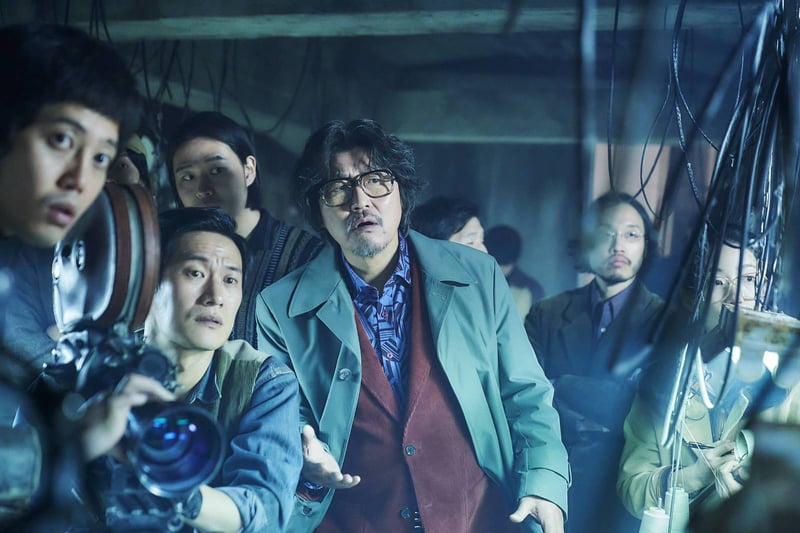
Han Okhi, Kim Hong-joon, Hwang Ju-ho
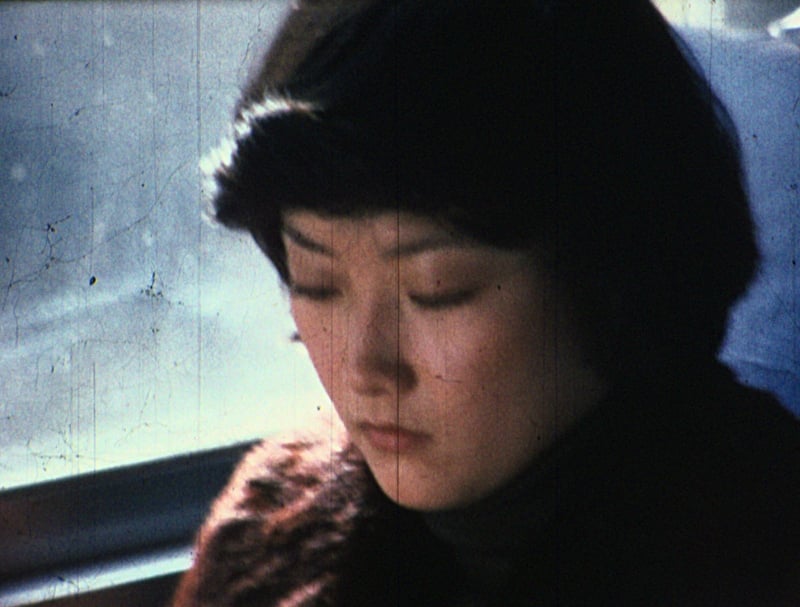
1974-1977|
South Korea|
76 minutes
Raw, defiant, and visionary, these short films—one section of the fiercely collective and formally subversive work of Kaidu Club, the other the quietly personal and observational films of Kim Hong-joon and Hwang Ju-ho—represent crucial precursors to Korean independent cinema that opened alternative paths for filmmaking outside the mainstream.
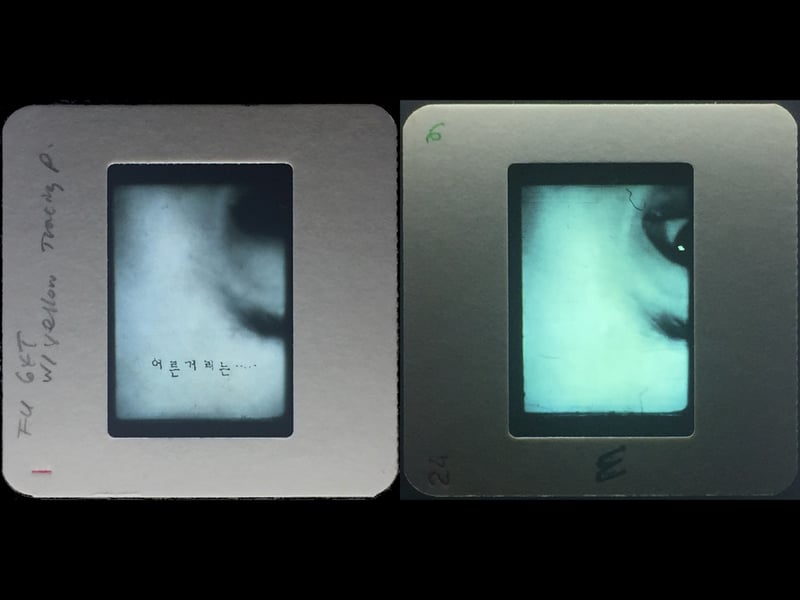
This free exhibition of moving image works will take place Saturday, May 16 and Sunday, May 17 in the Frieda and Roy Furman Gallery inside the Walter Reade Theater.
About the Series
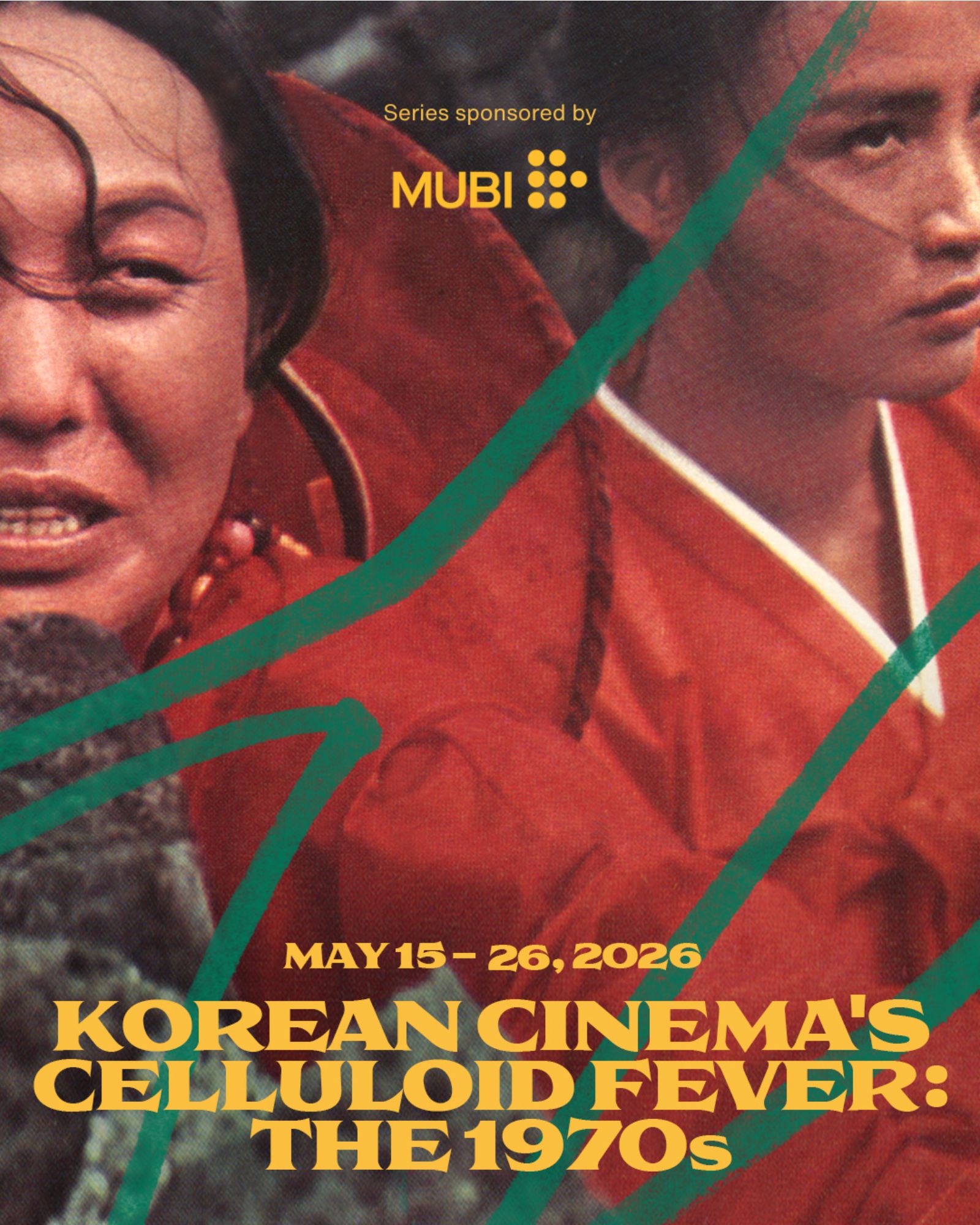
Film at Lincoln Center (FLC) and Subway Cinema present “Korean Cinema’s Celluloid Fever: The 1970s,” a wide‑ranging retrospective running from May 15 through 26, charting one of the most volatile and inventive eras in Korean film history. With 19 features and eight short films, the series includes newly restored classics, rare cult favorites, and landmark genre films, including many premieres of new digital remasters.
The 1970s appeared to be devastating for Korean cinema: television decimated theatrical attendance, while Park Chung-hee’s military government imposed a complex censorship system that rejected scripts and tore apart completed films. Yet within this repressive climate, a generation of filmmakers devised bold visual styles, smuggled sharp social critique into commercial genres, and quietly laid the groundwork for the global prominence Korean cinema enjoys today. The program spans this “dark decade,” from Kim Ki-young’s Woman of Fire (1970), starring Academy Award winner Youn Yuh-jung in her debut role, to Lee Doo-yong’s The Last Witness (1980), capturing a cinematic landscape shaped by repression, innovation, and transformation. Learn more.
Organized by Young Jin Eric Choi, Goran Topalovic, and Madeline Whittle.
Co-presented by Subway Cinema in collaboration with the Korean Cultural Center New York (KCCNY) and the Korean Film Archive (KOFA).
Additional support provided by the Korean Film Council (KOFIC).
“Korean Cinema’s Celluloid Fever: The 1970s” is sponsored by MUBI, the global streaming service, production company, and film distributor dedicated to elevating great cinema.
Special thanks to: Choi Jee-Woong / PROPAGANDA, Shin Haeok and Shin Donghyeok / Shin Shin, Yasu Inoue, Park Kyung-ae, Hah Myung-joong, Hah Jun-won, Park Chong-chan, Kim Hong-joon, Darcy Paquet, Kim Kyungmi, Goh Taekyung, Chae Yunsun, Han Ok-hi, Kim Jiha / Asian Culture Center, Jang Hey-yeun, and Oh Miseon.

Choi Jee-woong / PROPAGANDA


