History, Italian Style
June 4–25
Film at Lincoln Center and Cinecittà present a sweeping series of 29 films examining the evolution of modern Italy—from its unification through the rise of Mussolini and World War II—through the lens of Italian cinema, presented in beautiful 4K restorations and imported prints.
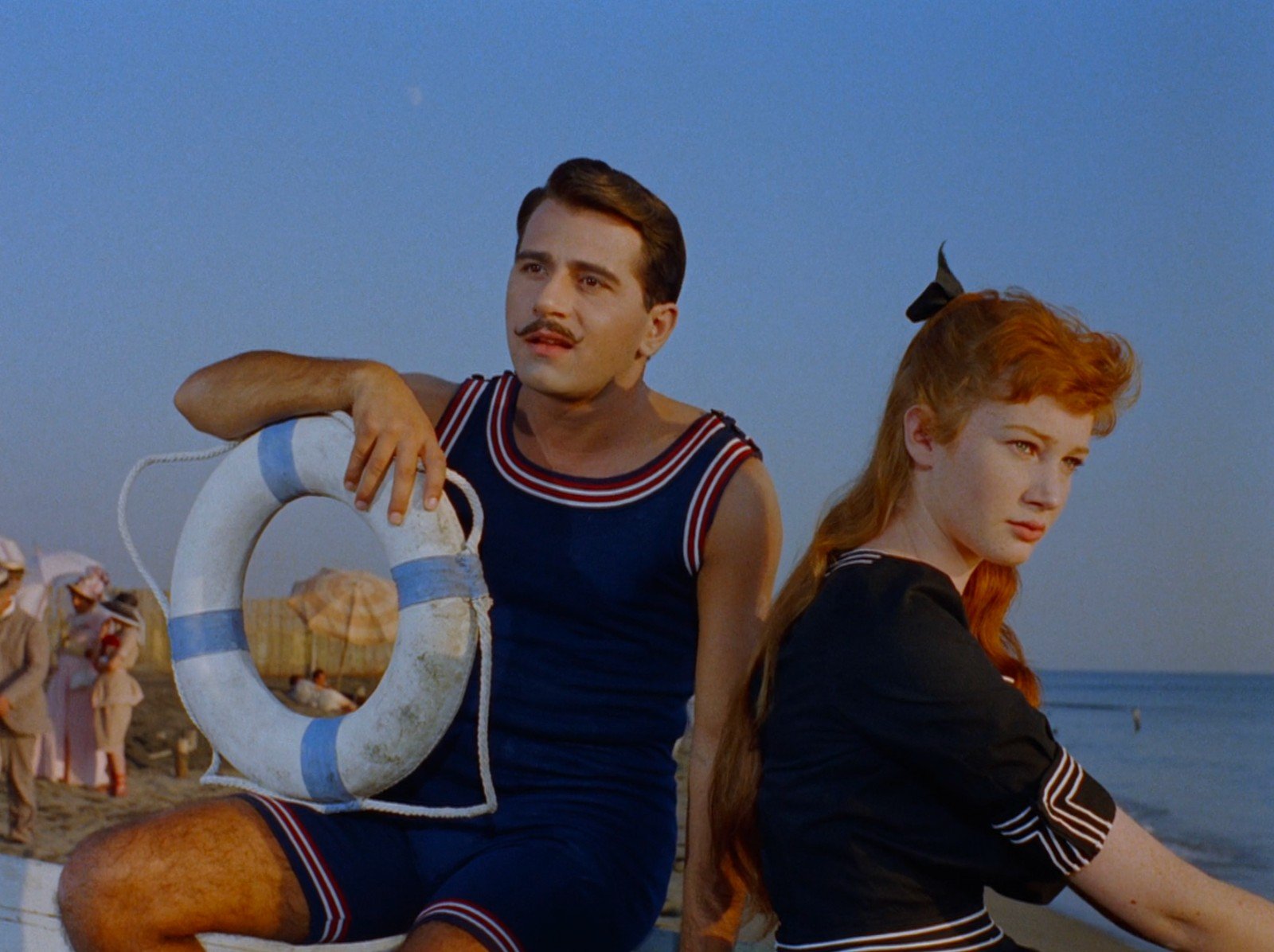
Policarpo
Mario Soldati
104 minutes
A bittersweet and nostalgic comedy about the world of Italian bureaucracy during the Belle Époque, depicted with inspiration drawn from period illustrations and featuring cameos by numerous stars.
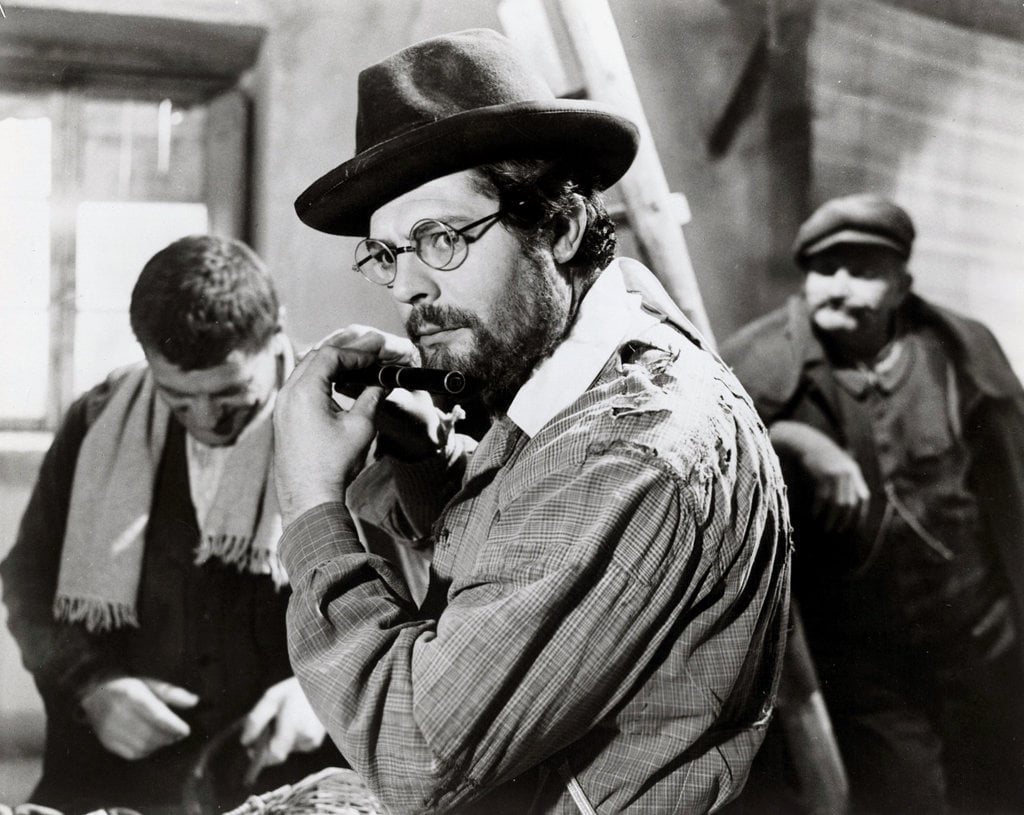
The Organizer
Mario Monicelli
126 minutes
A bearded and bespectacled Marcello Mastroianni gives one of his finest, most sincere performances in this rousing, up-with-the-people paean to resistance about a tense textile factory strike in turn-of-the-century Turin.
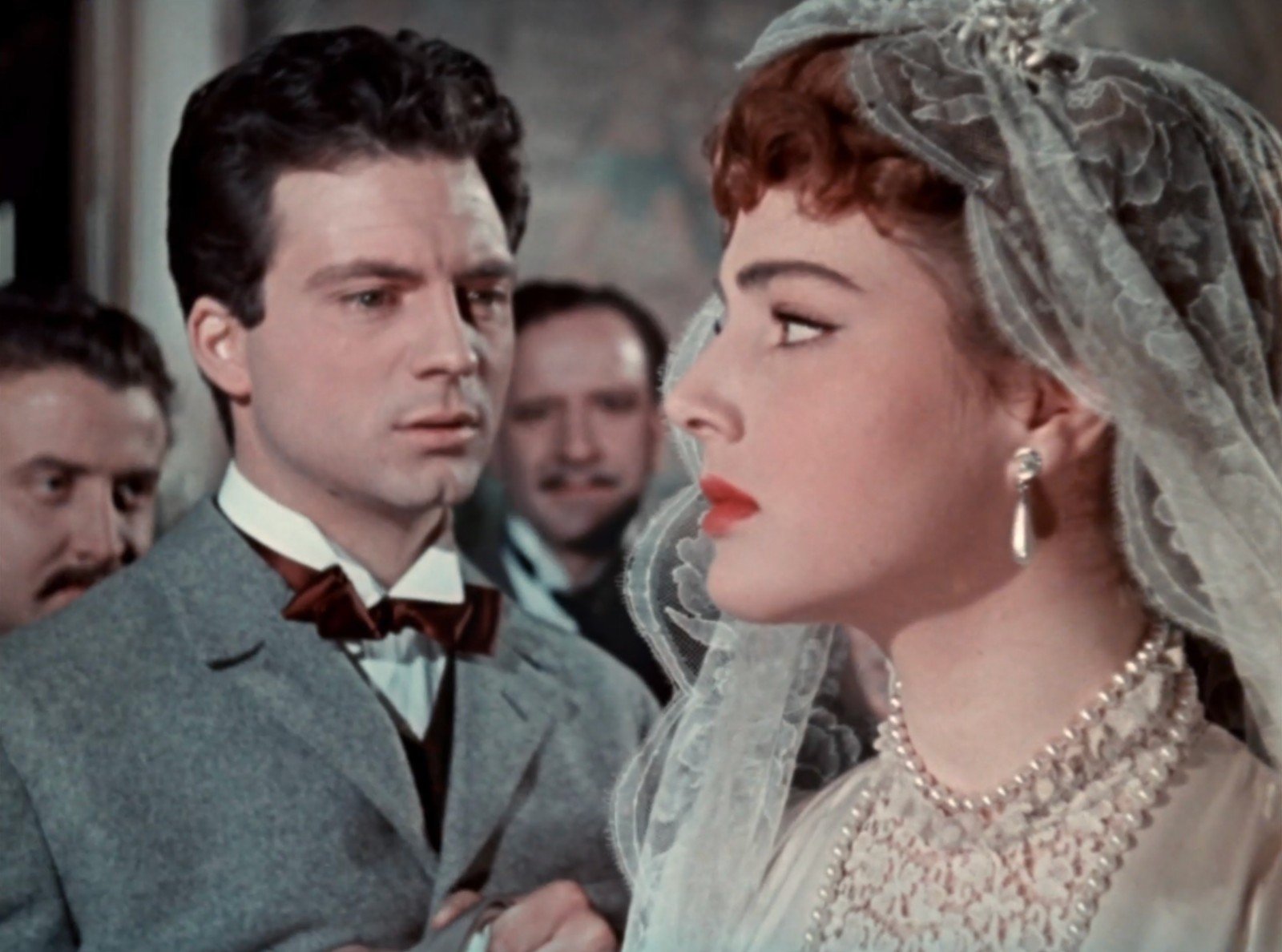
Mid-Century Loves
Glauco Pellegrini, Pietro Germi, Mario Chiari, Roberto Rossellini, and Antonio Pietrangeli
94 minutes
Five episodes, spanning from 1900 to 1943 through the Belle Époque and the fascist era, tell the story of Italy through romantic tales—some comic, some tragic.
Ticket Information
Tickets are $18; $15 for students, seniors (62+), and persons with disabilities; and $13 for FLC Members. See more and save with a 3+ Film Package ($16 for GP; $13 for students, seniors (62+), and persons with disabilities; and $11 for FLC Members).
This series is eligible for Member benefits, excluding screenings of 1900, The Conformist, and The Leopard. Note: Member benefit tickets for the June 23 screening of Amarcord have reached capacity. Member benefit tickets for additional films may be limited based on demand. See all screenings eligible for Member benefits here.
About the Series
Film at Lincoln Center and Cinecittà present a sweeping series of 29 films, presented in beautiful 4K restorations and imported prints, that examine the evolution of modern Italy—from the Risorgimento (1815–1861) through the rise of Mussolini and World War II—through the lens of cinema. Running from June 4 to 25, the series explores how filmmakers have interpreted, revisited, and challenged Italy’s political and cultural history on screen. Featuring landmark works by Luchino Visconti, Bernardo Bertolucci, Roberto Rossellini, and Paolo and Vittorio Taviani, with films by contemporary directors Marco Bellocchio, Alice Rohrwacher, and Pietro Marcello, the series explores how Italian cinema has continually revisited the nation’s history to grapple with an enduring question: What is Italy?
Developed in collaboration with curator, film scholar, and professor Emiliano Morreale (Il Cinema Ritrovato, Sapienza University of Rome) and in consultation with acclaimed director Marcello, the series focuses particularly on the political dimensions of Italian cinema depicting the first half of the 20th century. Using film to trace the prevailing spirit of Italian culture during this volatile period up to World War II, the program highlights earlier and lesser-explored periods that shaped the nation’s development.
Since the Risorgimento—the 19th-century movement that consolidated fragmented states into a single kingdom—cinema has served as both witness and architect of the Italian identity, weaving diverse regional cultures into a singular national narrative. From the earliest decades of filmmaking, Italian cinema has borne witness to shifts in its own society, politics, and culture, synthesizing the peninsula’s disparate populations into a composite and ever-changing image of Italian national identity. In turn, filmmakers repeatedly returned to the country’s recent past as a way of understanding the present: few national film industries have so strikingly mined their own country’s recent history for material, seeking to monumentalize critical moments in the nation’s existential search to define itself.
Returning to portray Italy’s past means confronting a coexistence of eras, the reemergence of ghosts, and grappling with the power of images.”
—Emiliano Morreale


