Human Rights Watch Film Festival 2023
The Human Rights Watch Film Festival, now in its 34th year, presents a full edition of 10 groundbreaking new films nationwide in the United States, from May 31 to June 11, 2023.
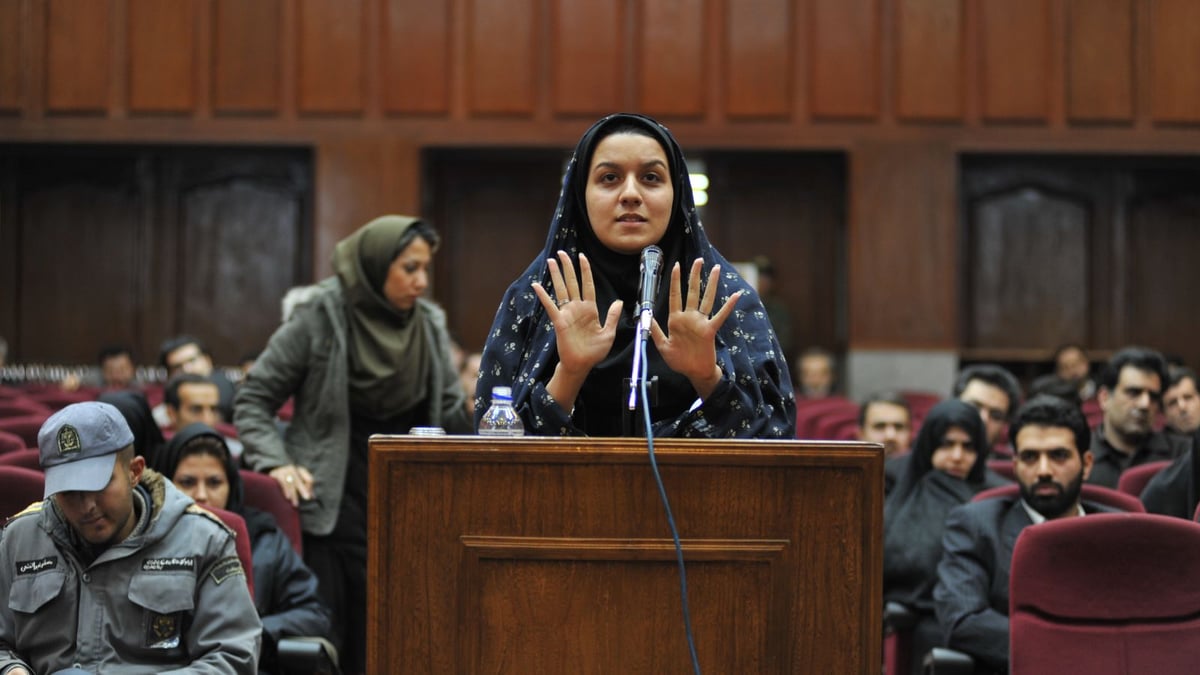
Steffi Niederzoll

2023|
97 minutes|
Farsi
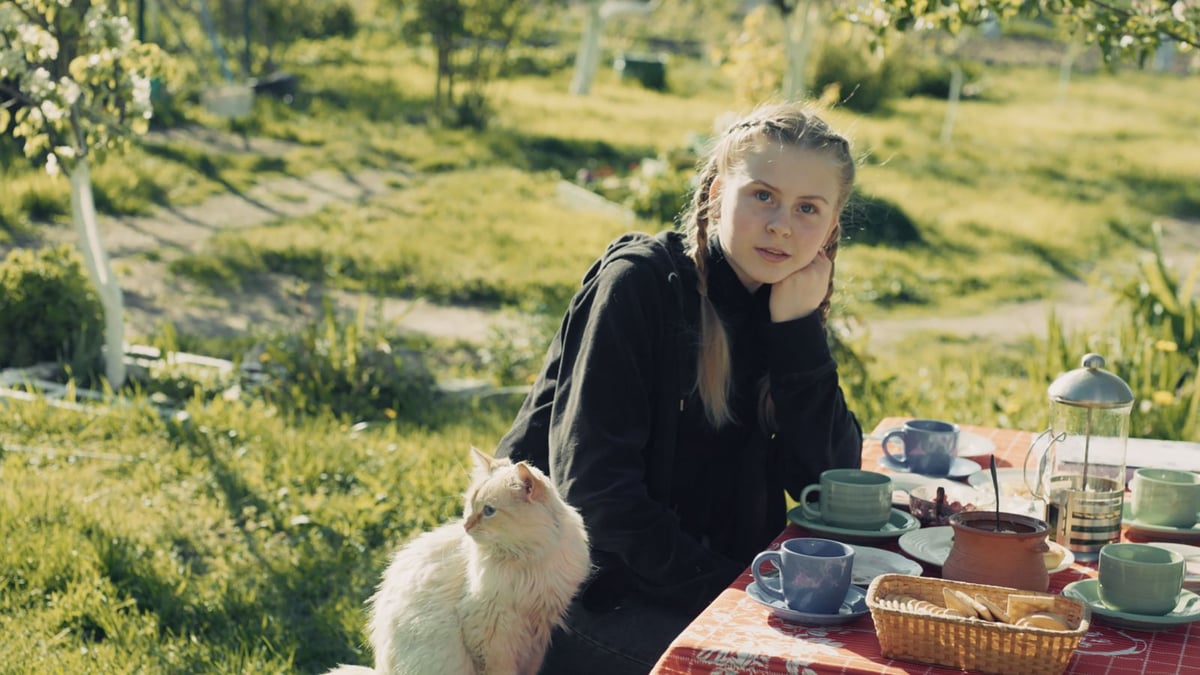
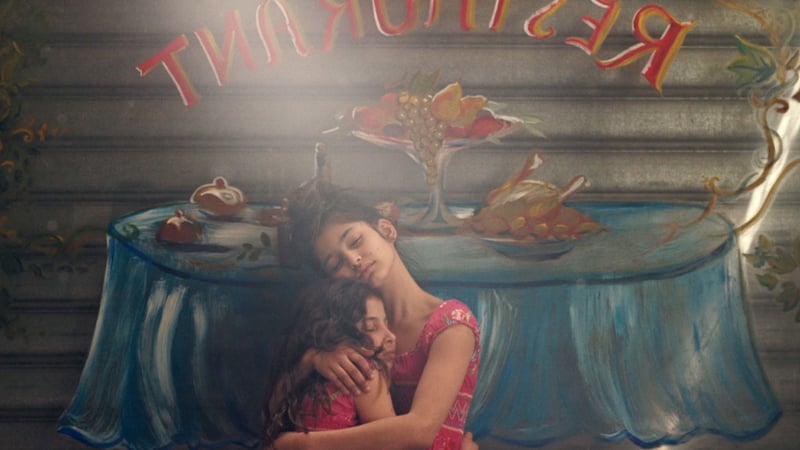
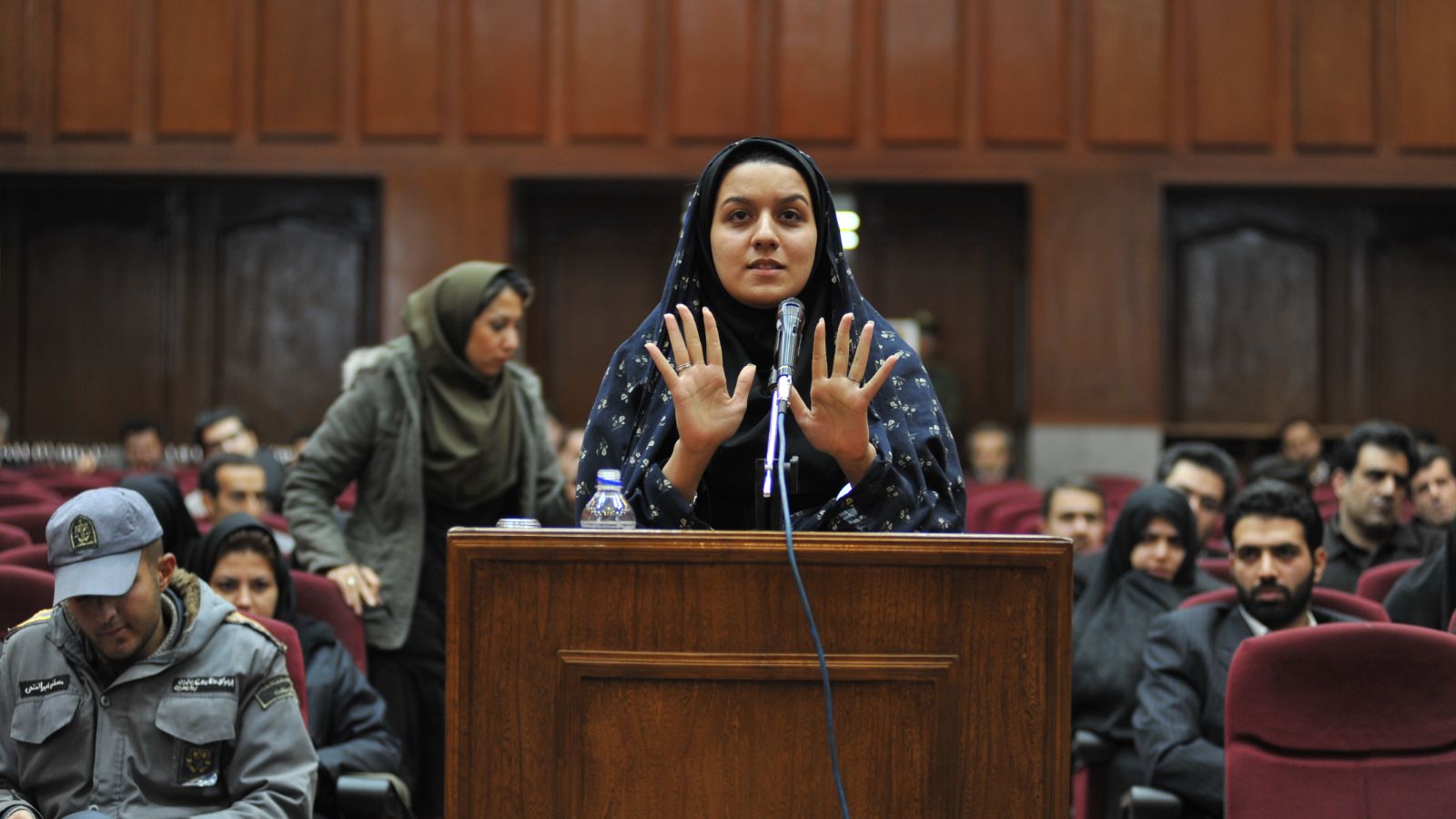
In 2007, Reyhaneh Jabbari, 19, is sentenced to death in Iran for the murder of a man who tried to rape her. The efforts her family and supporters undertake open a window into the mass oppression and silencing of women in Iran, and the risks taken by those who defend and support them.
2023|
50 minutes|
Arabic
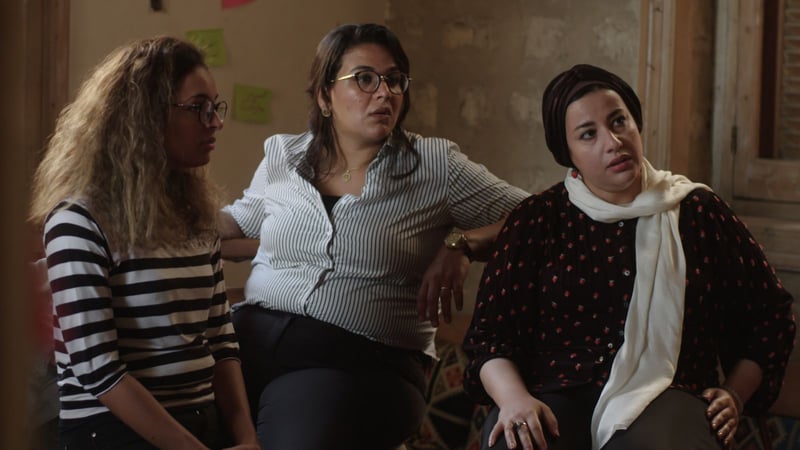
Doaa el-Adl is one the most prominent of the very few female cartoonists in the Arab world. Draw me Egypt – Doaa El-Adl, A Stroke of Freedom creatively blends documentary, cartoons and animation to bring to life this courageous artist’s thoughts on politics and feminism as she uses her talent to advocate for women’s rights.
Abbas Rezaie
2022|
92 minutes|
Dari
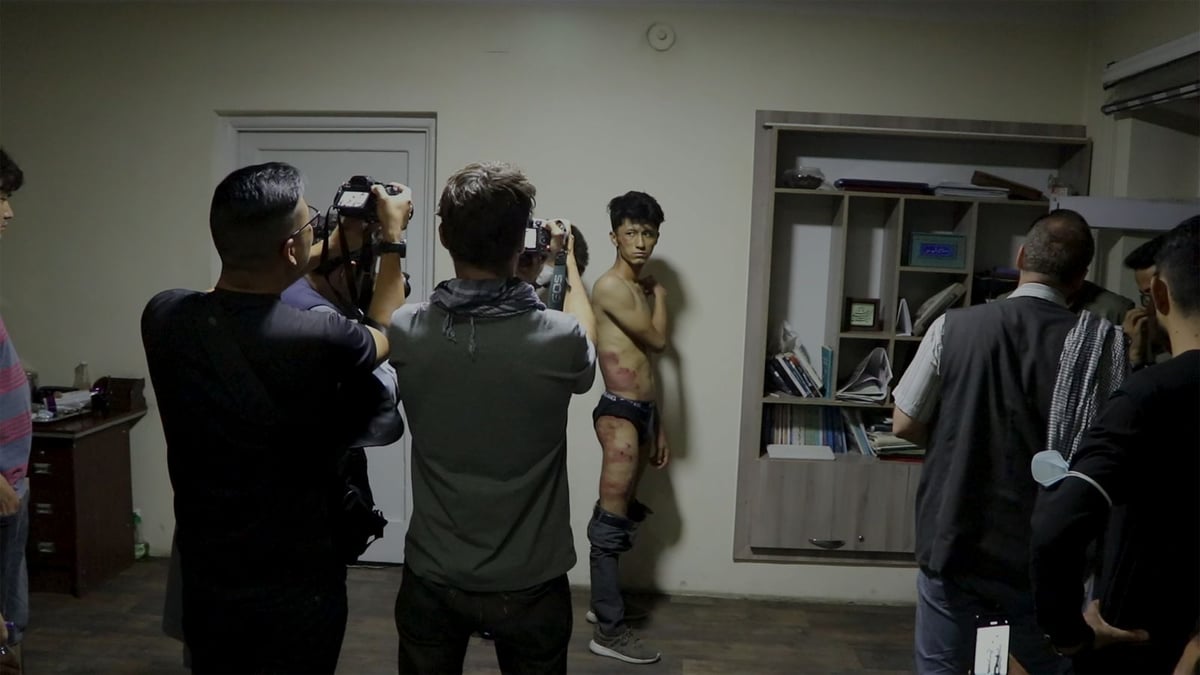
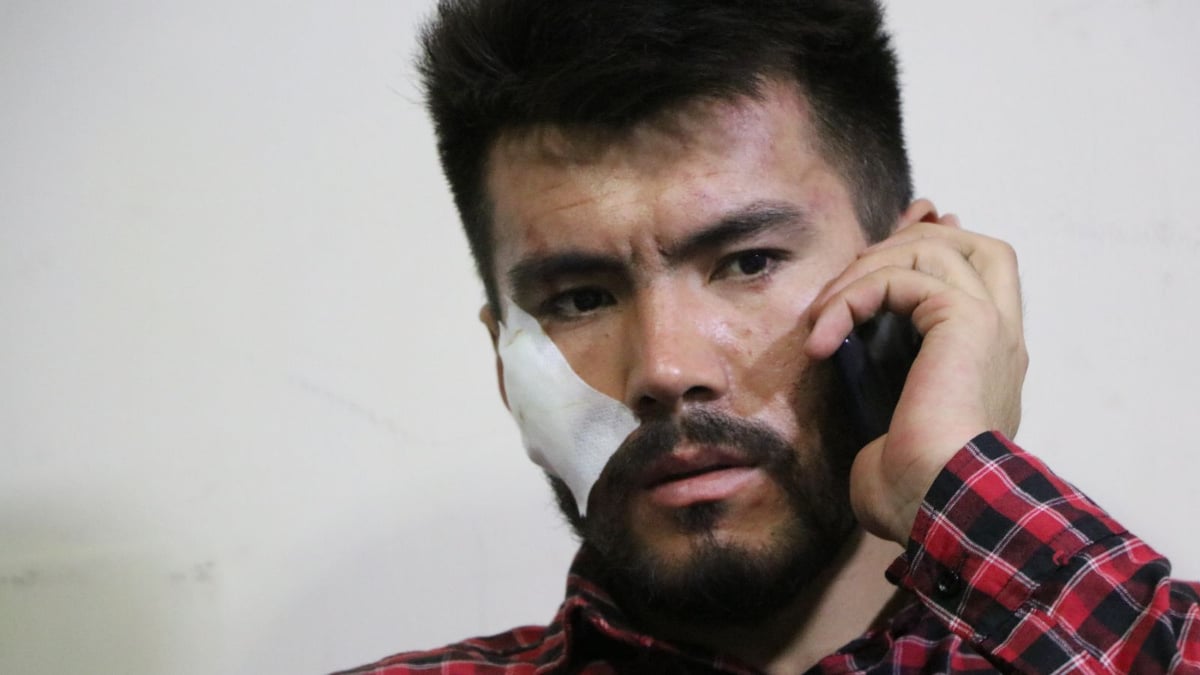
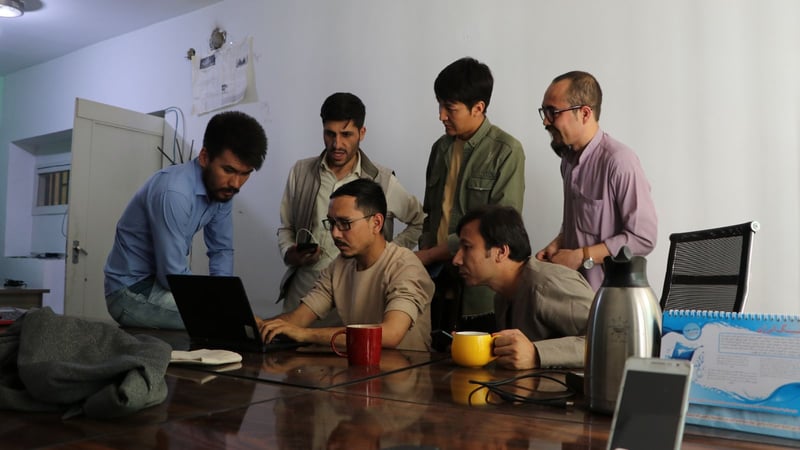
In August 2021, staff at the most widely read newspaper in Kabul, ‘Etilaat Roz’, are left with an impossible choice after the Taliban seize power: stay and continue reporting—risking torture, imprisonment, and death—or join thousands of others attempting to flee the country. ‘Etilaat Roz’ staff member Abbas Rezaie films his colleagues as they navigate the days that changed their lives and the direction of the country.
Nicolò Bassetti
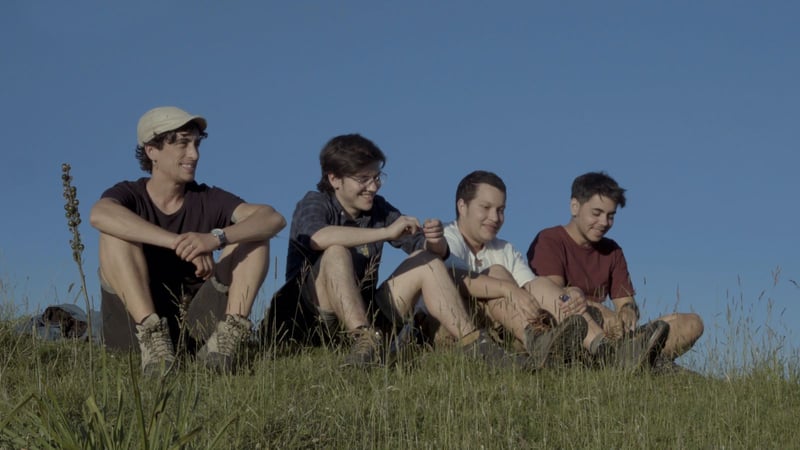
2022|
93 minutes|
Italian
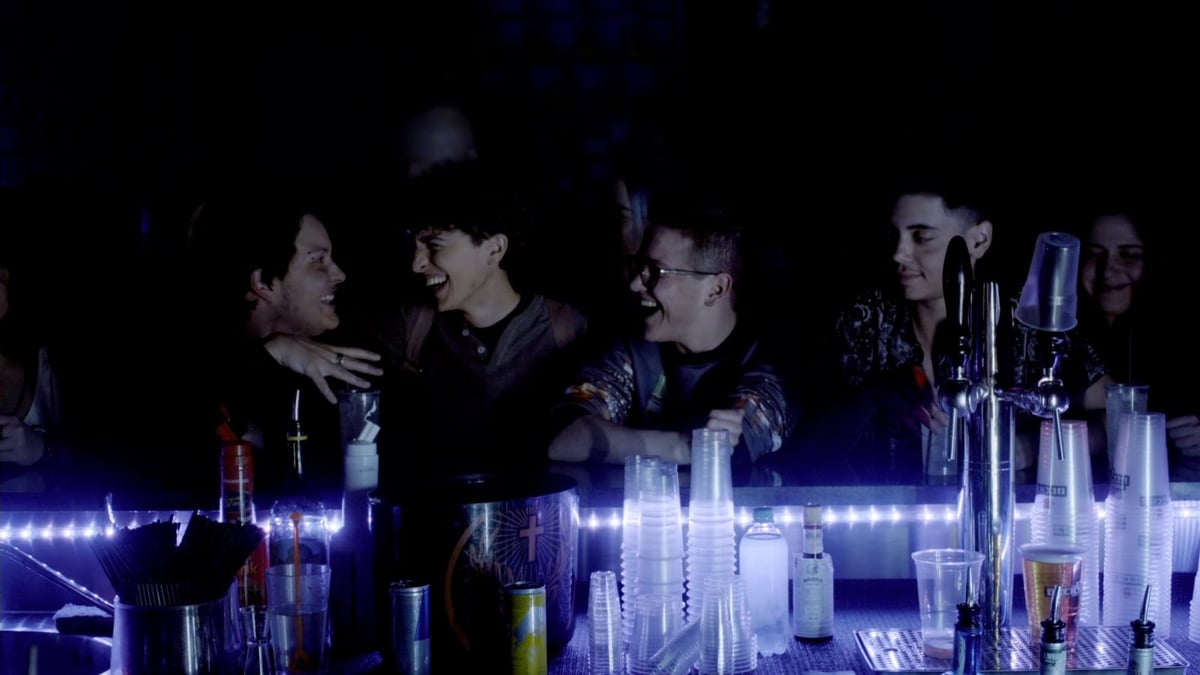
Nic, Leo, Andrea and Raff are four trans masculine friends from Italy on a journey of self-discovery as they seek to determine their own gender identities while together dealing with society’s imposed physical, legal, and social boundaries, and the labyrinthine process of navigating the medical system.
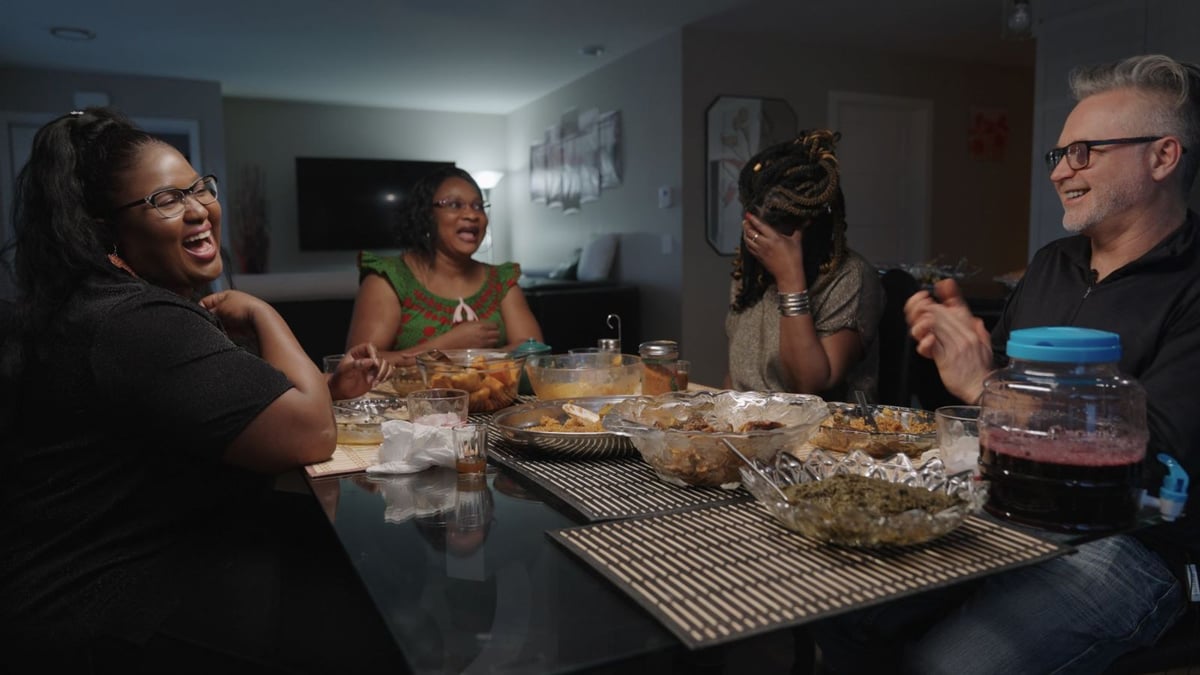
Habibata Ouarme
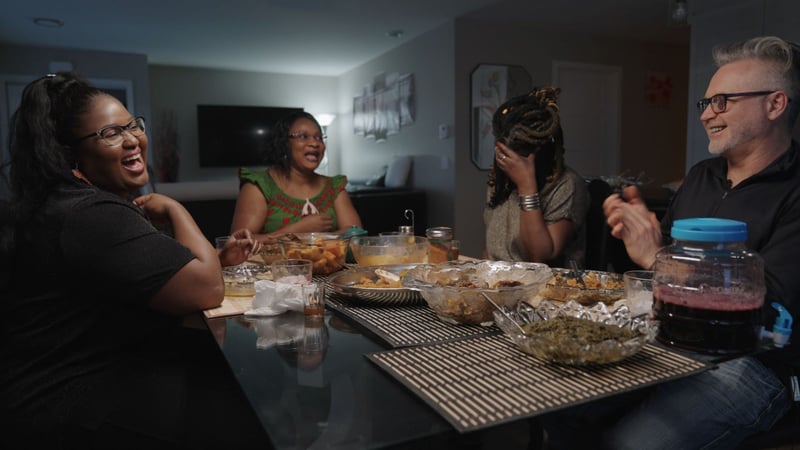
2023|
75 minutes|
French and English
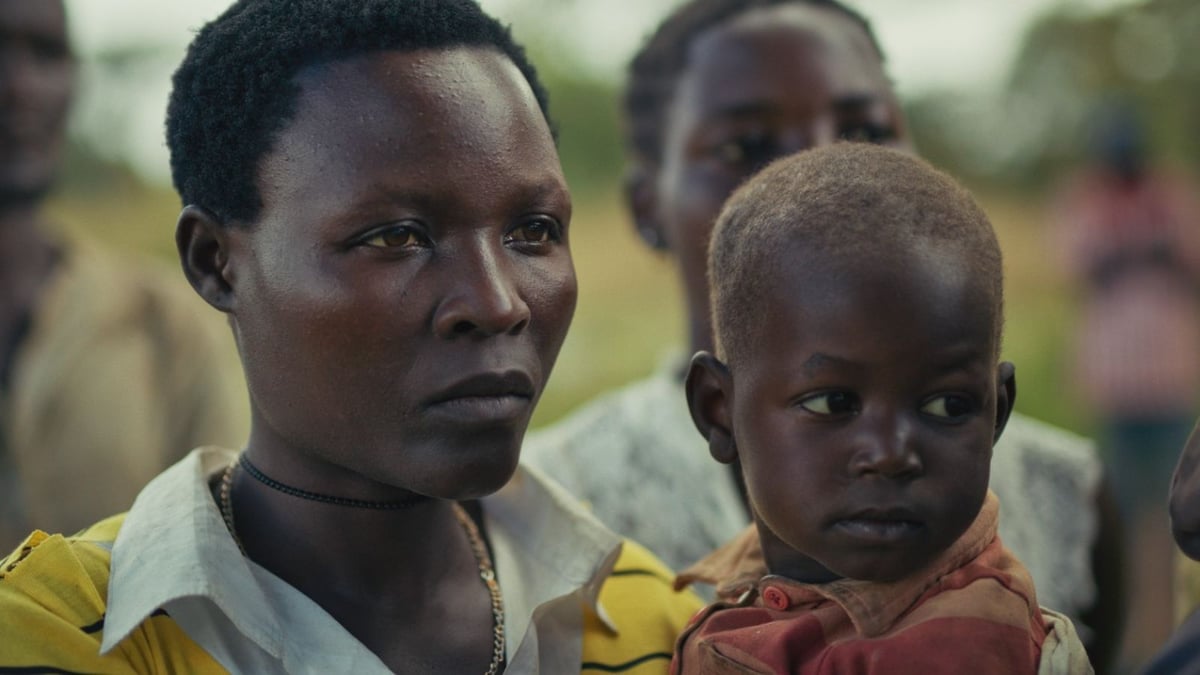
Canada-based co-directors Habibata Ouarme and Jim Donovan capture personal stories and deep moments of support in a small community of women from West Africa, who are confronting social norms and embracing the inherent power in pleasure and love for their own bodies.
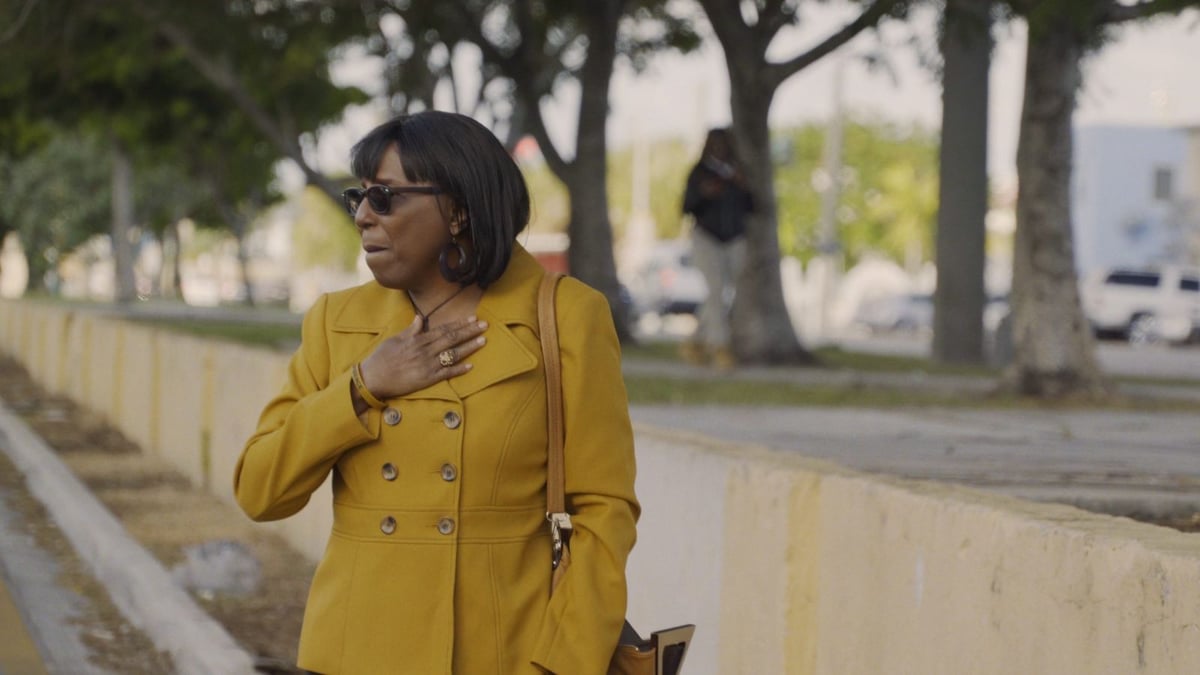
Katja Esson
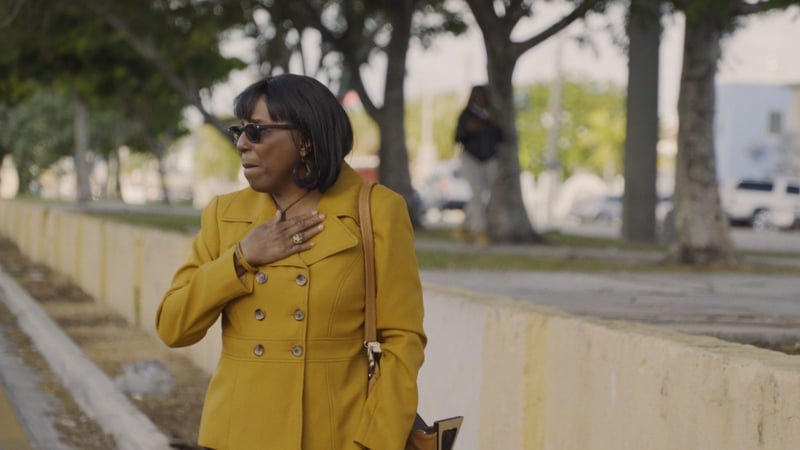
2023|
86 minutes
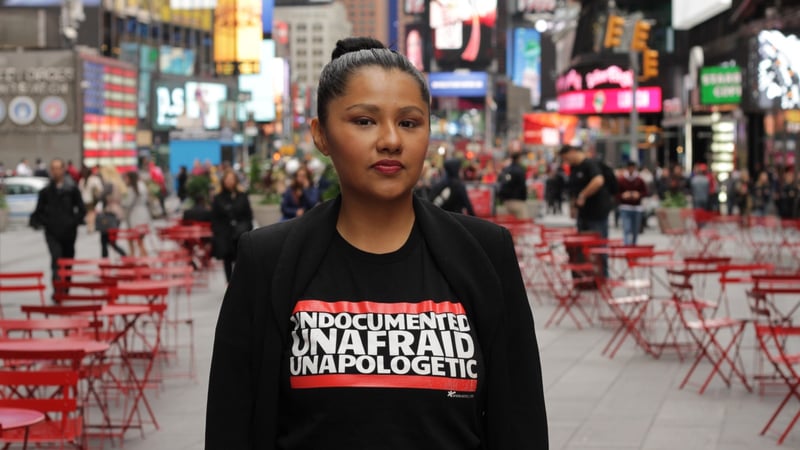
When residents of the Liberty Square public-housing community in Miami learn about a $300 million revitalization project, they know that the sudden interest comes from the fact that their neighborhood is located on the highest and driest ground in the city. Now they must prepare to fight a growing form of racial injustice—climate gentrification.
Lukasz Konopa
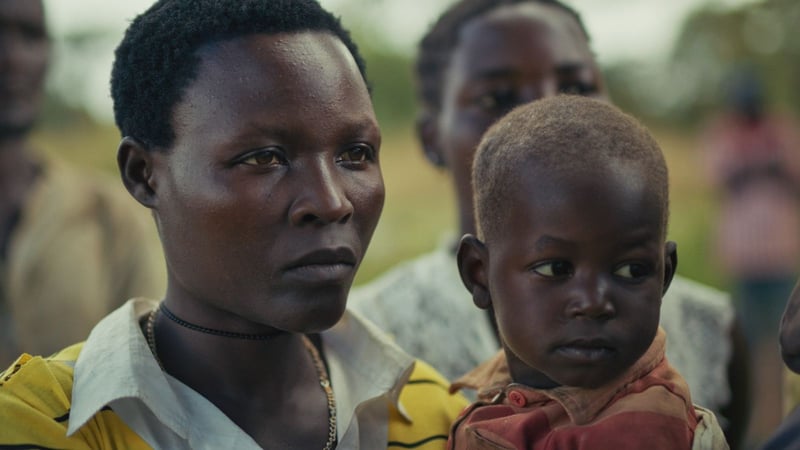
2023|
105 minutes|
English, Acholi, Luo, and French
Dominic Ongwen is the first former child soldier prosecuted by the International Criminal Court (ICC). Theatre of Violence follows Ongwen’s lawyer and his team as they investigate, build a defence strategy, and try to answer the central question: how do we define “justice” when the perpetrator is also a victim?
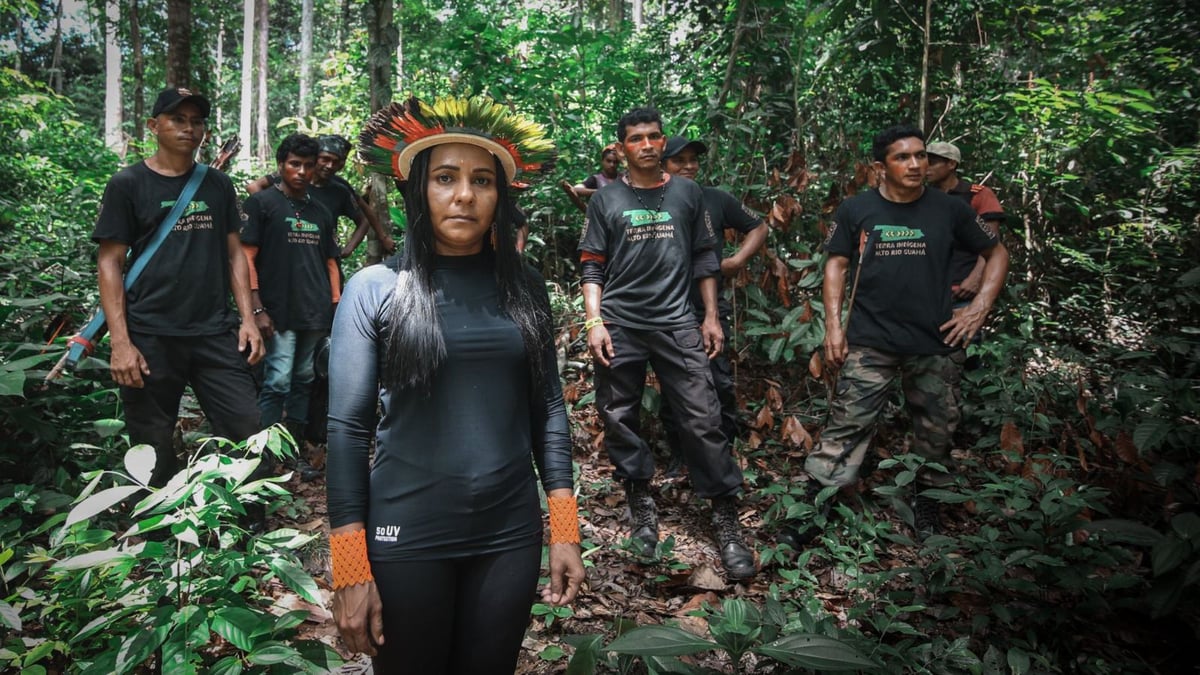
Edivan Guajajara
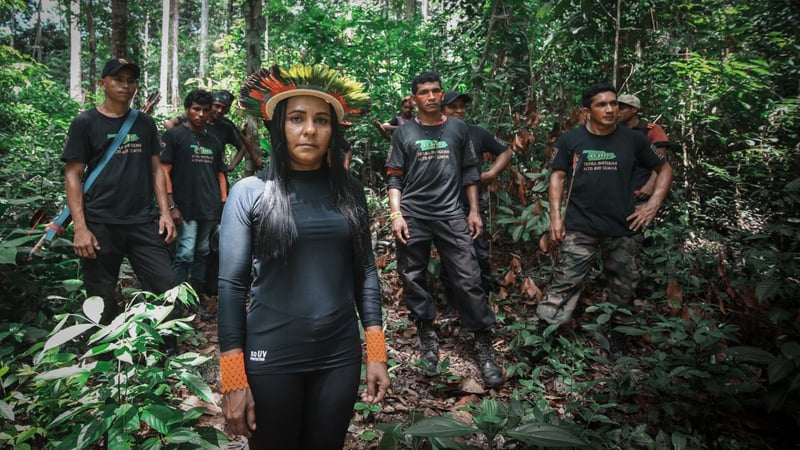
2023|
82 minutes|
Portuguese, Tupi, and English
As the Indigenous Brazilian forest guardians of the Tenetehara fend off attacks from illegal loggers, miners, and exporters, this global story shares what happens when Indigenous rights, land stewardship, environmental science, and political corruption converge, leaving the fate of the Amazon and it’s Indigenous communities in the balance.
Mila Teshaieva
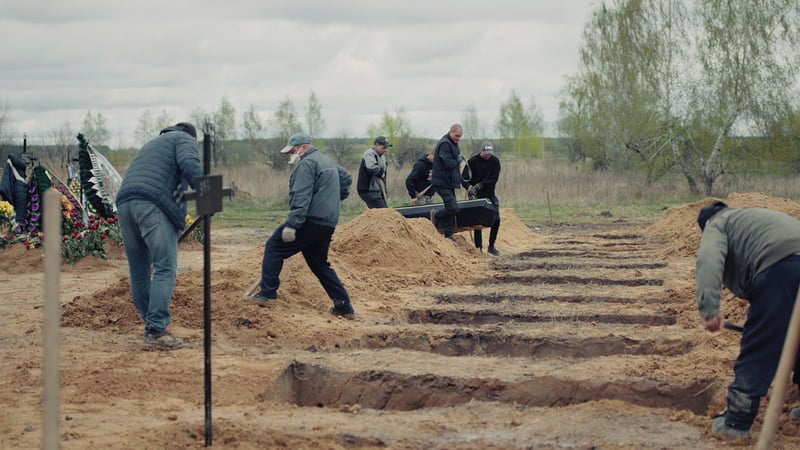
2022|
64 minutes|
Ukrainian and Russian
In March 2022, Russian troops withdraw from a small town in the Kyiv region, and Ukrainian citizens emerge from their homes to clean their streets, rebuild, and face a new day while grieving all that’s been lost. This film poignantly captures how a small community continues with life amid trauma and loss, while war rages on close by.
The Human Rights Watch Film Festival, now in its 34th year, will present a full edition of 10 groundbreaking new films nationwide in the United States, from May 31 to June 11, 2023. The New York festival will be back with a full program of in-person screenings at Film at Lincoln Center and IFC Center, with in-depth discussions with filmmakers, film participants, journalists, activists and Human Rights Watch researchers.
See the website for accessibility specifications for each film in the lineup.
John Biaggi, Director of the Human Rights Watch Film Festival, said, “We are extraordinarily proud to present our program of 10 powerful films and conversations in person at Film at Lincoln Center and IFC Center. This year’s selection covers expansive global ground, spotlighting urgent and timely human rights issues like the war in Ukraine, women’s rights and bodily autonomy, transgender rights, health and human rights, environmental gentrification, and freedom of the press.” He continues, “The festival is also committed to expanding inclusivity for audience members to enjoy the events together and is working to create features that more people can access. The majority of the festival films this year will be audio-described and play with captions, with live transcription for the conversations to follow.”
As always, the festival strives to prioritize making space for a wide variety of identities, viewpoints and forms of expertise and experiences either silenced or marginalized in the film industry, news and media. The festival is also committed to expanding inclusivity for audience members to enjoy the events together and is working to create features that more people can access. The majority of the festival films this year will be audio-described and play with captions, with live transcription for the conversations to follow.
Audio description is a narrated description of a film’s main visual elements, such as settings and body language. This audio track is provided on headsets for audience members who request them. Captions are descriptions of all audio in the film and/or discussion—whether spoken or unspoken.
A limited number of free tickets are available both in-cinema and online for members of the public for whom the cost of a ticket would be a barrier to participation. To access free tickets, audience members can simply send an email to [email protected] to receive the ticket codes or instructions. (First come, first served.)